
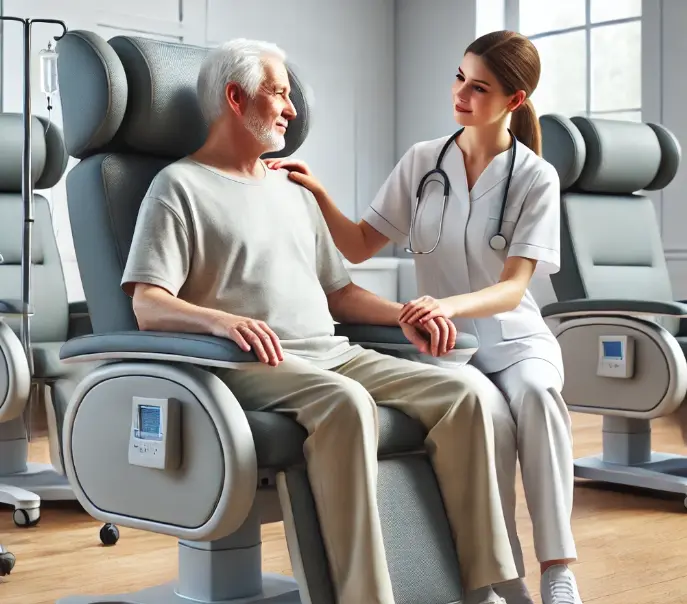
When it comes to healthcare, patient comfort is more than just a luxury—it’s a necessity. Whether it’s a hospital, clinic, or long-term care facility, the right patient seating solutions play a crucial role in patient well-being, recovery, and satisfaction. But as a healthcare provider or decision-maker, you might find yourself asking:
“Should I prioritize cost or comfort when investing in patient chairs?”
The truth is, it’s not about choosing one over the other. It’s about striking the perfect balance between affordability and functionality. In this blog, we’ll explore how to invest wisely in patient seating solutions, ensuring comfort without blowing your budget.
Why Does Patient Comfort Matters?
First things first, let’s talk about comfort. Patient chairs aren’t just another piece of furniture—they directly impact:
- Patient Recovery: Comfortable seating reduces stress and promotes healing, especially for patients who spend extended hours in chairs.
- Overall Experience: A comfortable patient is a happier patient. Chairs that offer proper support can improve patient satisfaction scores, which are critical for healthcare providers.
- Health Outcomes: Ergonomic chairs help prevent pressure sores, reduce back pain, and improve posture, especially for patients with limited mobility.
The Hidden Costs of Uncomfortable Chairs
While cheaper, low-quality chairs may seem like a good deal upfront, they often lead to:
- Increased patient complaints and dissatisfaction.
- Higher maintenance costs due to wear and tear.
- Health risks like pressure ulcers, musculoskeletal pain, and falls.
- Staff inconvenience, as they frequently reposition patients or address chair-related issues.
Balancing Cost and Comfort: Key Considerations
So, how do you balance comfort with cost? Here are five factors to consider when investing in patient seating solutions:
1. Ergonomic Design: Prioritize Patient Safety
Look for chairs designed to support natural posture and reduce pressure points. Ergonomic features include:
- Adjustable seat heights and armrests.
- Lumbar support for back comfort.
- Cushioned surfaces with high-quality padding.
While ergonomically designed chairs might have a slightly higher upfront cost, they save money in the long run by improving patient satisfaction and reducing health issues.
2. Durability: Long-Term Value Over Short-Term Savings
Durability directly impacts cost-effectiveness. High-quality chairs may cost more initially but offer:
- Longevity: Reduced replacement costs over time.
- Low Maintenance: Sturdy materials require fewer repairs.
What to Look For:
- Strong frames (e.g., steel or reinforced materials).
- Easy-to-clean upholstery (anti-bacterial vinyl or healthcare-grade fabrics).
- Warranty coverage for peace of mind.
Example: A chair that lasts 10 years at a slightly higher cost is more cost-effective than a cheap chair that needs replacement every 2–3 years.
3. Functionality: Features That Matter
Invest in chairs with features that meet the specific needs of your patients. For example:
- Reclining Options: Essential for patients who need rest and repositioning.
- Wheels or Mobility Assistance: Ideal for transferring patients safely.
- Weight Capacity: Ensure the chair can support diverse patient sizes.
Functional chairs not only enhance comfort but also improve staff efficiency, saving time and reducing labor costs.
4. Infection Control: Save Money on Maintenance
In healthcare settings, hygiene is critical. Chairs with anti-microbial, easy-to-clean materials prevent infections and reduce maintenance costs.
Key Features to Consider:
- Stain-resistant surfaces.
- Seamless upholstery (reduces bacteria build-up).
- Materials that can withstand frequent cleaning and disinfecting.
Chairs that promote infection control are not just cost-efficient—they improve patient safety, which is priceless.
5. Customization: Pay for What You Need
Every healthcare facility is unique. Instead of purchasing a “one-size-fits-all” solution, choose chairs tailored to your specific needs.
Questions to Ask:
- Do your patients require bariatric seating?
- Are mobility features like wheels or reclining functions necessary?
- How long will patients typically sit in these chairs?
Investing in customizable patient seating solutions ensures you’re paying for features you actually need, avoiding unnecessary expenses.
Cost vs. Comfort: Real-Life Example
Let’s consider two healthcare facilities:
- Facility A buys cheap, low-quality chairs to save money. Within a year, the chairs are worn out, patients are uncomfortable, and complaints pile up. The facility ends up spending more on replacements and repairs.
- Facility B invests in durable, ergonomic chairs with essential features like adjustable seating and easy-to-clean materials. Patients are happier, health outcomes improve, and the chairs last for years with minimal maintenance costs.
The Lesson: Spending a bit more upfront for quality chairs pays off in the long run.
Top Benefits of Investing in Quality Patient Chairs
When you prioritize both cost and comfort, you gain:
- Improved Patient Satisfaction: Happy patients lead to positive reviews and higher satisfaction scores.
- Better Health Outcomes: Proper seating prevents pressure sores and improves posture.
- Reduced Maintenance Costs: Durable chairs last longer and require fewer repairs.
- Increased Staff Efficiency: Functional chairs reduce the burden on caregivers.
- Enhanced Safety: Ergonomic chairs minimize falls and other safety risks.
Final Thoughts: Making Smart Investments in Patient Seating
Balancing cost and comfort doesn’t have to be a challenge. By prioritizing durability, functionality, and ergonomic design, you can invest in patient chairs that enhance comfort while delivering long-term value.
At Safe Patient Chairs, we understand that choosing the right seating solutions is essential for patient well-being and your bottom line. That’s why we offer high-quality, customizable patient chairs designed to meet your facility’s unique needs.
Ready to invest wisely in patient seating solutions? Explore our range of ergonomic and durable patient chairs today!
Visit our website at www.safepatientchairs.com to learn more.
